
Products
Vehicle computer
Our partners & Brands













Tailored vehicle computers for fleet and emergency operations
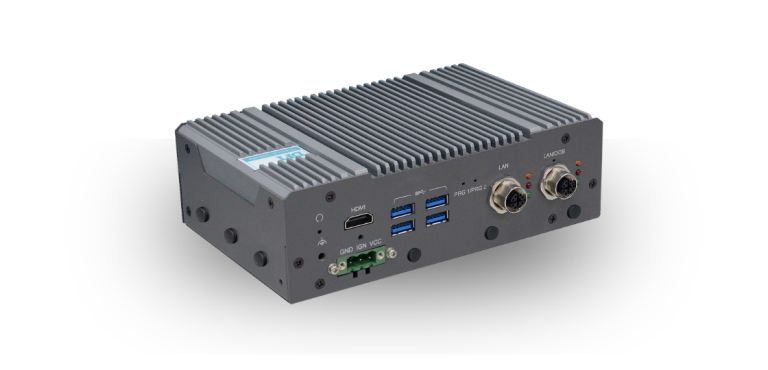
Vehicle computers, also referred to as in-vehicle computers, are rugged embedded systems designed specifically for use in mobile environments. They function as dedicated computing platforms installed inside vehicles, distinct from OEM onboard computers, and are built for reliable operation where movement, temperature changes and varying power conditions are part of everyday use.
Unlike standard embedded industrial computers, in-vehicle computers are made for permanent installation in vehicles. They support features such as wide input voltage ranges, ignition control and controlled shutdown behaviour, making them suitable for operation across different vehicle platforms and usage scenarios. Depending on the application, an in-vehicle computer can be deployed as a rugged box-based system with an external display or as an integrated solution with built-in screen functionality.
At Intemo, we supply industrial in-vehicle computers for a wide range of mobility applications, including fleet vehicles, public transport, emergency services, maritime environments and other mobile platforms. We help select in-vehicle computer systems that match the operational conditions, technical requirements and lifecycle expectations of each application.
Why choose Intemo?
-
Reliable vehicle computers built for long-term use in automotive environments.
-
Flexible configurations assembled in-house when your project requires specific adjustments.
-
Support from specialists who help you select the right system for your application.
-
Over 35 years of experience serving a wide range of customers across Europe.

“The more predictable and stable the technology, the better you can do your job.”
In-vehicle computers designed for demanding mobile environments
Mobile environments place specific demands on computing hardware. Continuous vehicle dynamics, mechanical shock, fluctuating temperatures and unstable power supplies require a system design that differs fundamentally from fixed industrial installations.
In-vehicle computers are therefore equipped with dedicated power management features. Wide input voltage support and ignition control allow the system to start and shut down in sync with the vehicle, while controlled shutdown behaviour helps prevent data loss when power is interrupted or the vehicle is switched off.
Thermal behaviour is another key design consideration. Because industrial vehicle computers are often installed in confined spaces with limited airflow, rugged housings and carefully selected components are used to maintain stable performance throughout daily driving cycles, even under sustained load.
Box-based and integrated vehicle computer systems
In-vehicle computers are commonly deployed in two main system architectures. A widely used configuration consists of a rugged in-vehicle computer box combined with an external display. This setup offers flexibility in screen size, mounting location and system configuration, making it suitable for a broad range of vehicle interiors and operational scenarios.
Alongside this approach, integrated in-vehicle computer systems are increasingly applied. In these configurations, the computing hardware and display are combined into a single unit, comparable to a vehicle-mounted tablet but designed for permanent installation. This reduces cabling, simplifies system integration and is often preferred in applications where space is limited or a clean installation is required.
Both architectures are designed for in-vehicle operation and can be selected based on installation constraints, user interaction requirements and the operational environment. Selecting the appropriate form factor helps ensure reliable operation and smooth integration within the overall vehicle platform.
FAQ
Frequently Asked Questions
The main benefit of using a rugged in-vehicle computer in emergency response vehicles is reliable operation under extreme conditions. Emergency vehicles are exposed to constant vibration, rapid temperature changes and unstable power during start stop cycles. Rugged in-vehicle computers for emergency services are designed to handle these conditions while remaining operational at all times.
Yes, in-vehicle computer systems can be integrated with dispatch and AVL software used in public transport. These systems are designed to support common operating systems and communication interfaces that are required for fleet management, vehicle tracking and scheduling platforms. Depending on the application, the in-vehicle computer can connect to backend systems through wired or wireless communication, allowing real-time data exchange between vehicles and central control environments.
In-vehicle embedded PCs can be certified for use in buses, ambulances and logistics fleets, depending on the selected model. Many in-vehicle computers support standards such as E-Mark for road vehicles or EN 50155 for rail applications, addressing electrical, mechanical and environmental safety requirements. Certification availability depends on the platform and vehicle type, and we help select a vehicle embedded PC that meets the applicable regulatory and safety standards for your specific use case.
Yes, in-vehicle computers support real-time communication features such as GPS, LTE and Wi-Fi for fleet coordination. These interfaces enable vehicle tracking, data synchronisation and communication with dispatch or backend systems. Support for these features depends on the selected configuration and expansion options, allowing the in-vehicle computer to be tailored to the communication needs of the fleet.
A rugged in-vehicle computer box is specifically designed to withstand vibration, mechanical shock and temperature fluctuations commonly found in delivery trucks and buses. Reinforced housings, secure connectors and automotive-grade components help ensure stable operation during daily driving cycles. Many rugged vehicle computers also support extended temperature ranges, allowing them to operate reliably in both cold starts and warm cabin or engine-adjacent environments.
Yes, an in-vehicle computer system can be connected to existing vehicle displays and diagnostic interfaces. Depending on the platform, support is available for standard video outputs and vehicle communication interfaces such as CAN bus. This makes it possible to integrate the in-vehicle computer with existing displays, diagnostic tools or vehicle data systems without requiring major changes to the vehicle infrastructure.
Remote management and MDM capabilities for in-vehicle PCs are supported depending on the selected platform and operating system. Many vehicle computers can be integrated with third-party remote management solutions for monitoring, updating and maintaining systems across large fleets. We advise on suitable platforms and configurations that support centralised management, helping fleet operators maintain control and consistency across distributed vehicle deployments.

Need expert advice?
Get in touch with our experts for all your vehicle computer questions
R&D
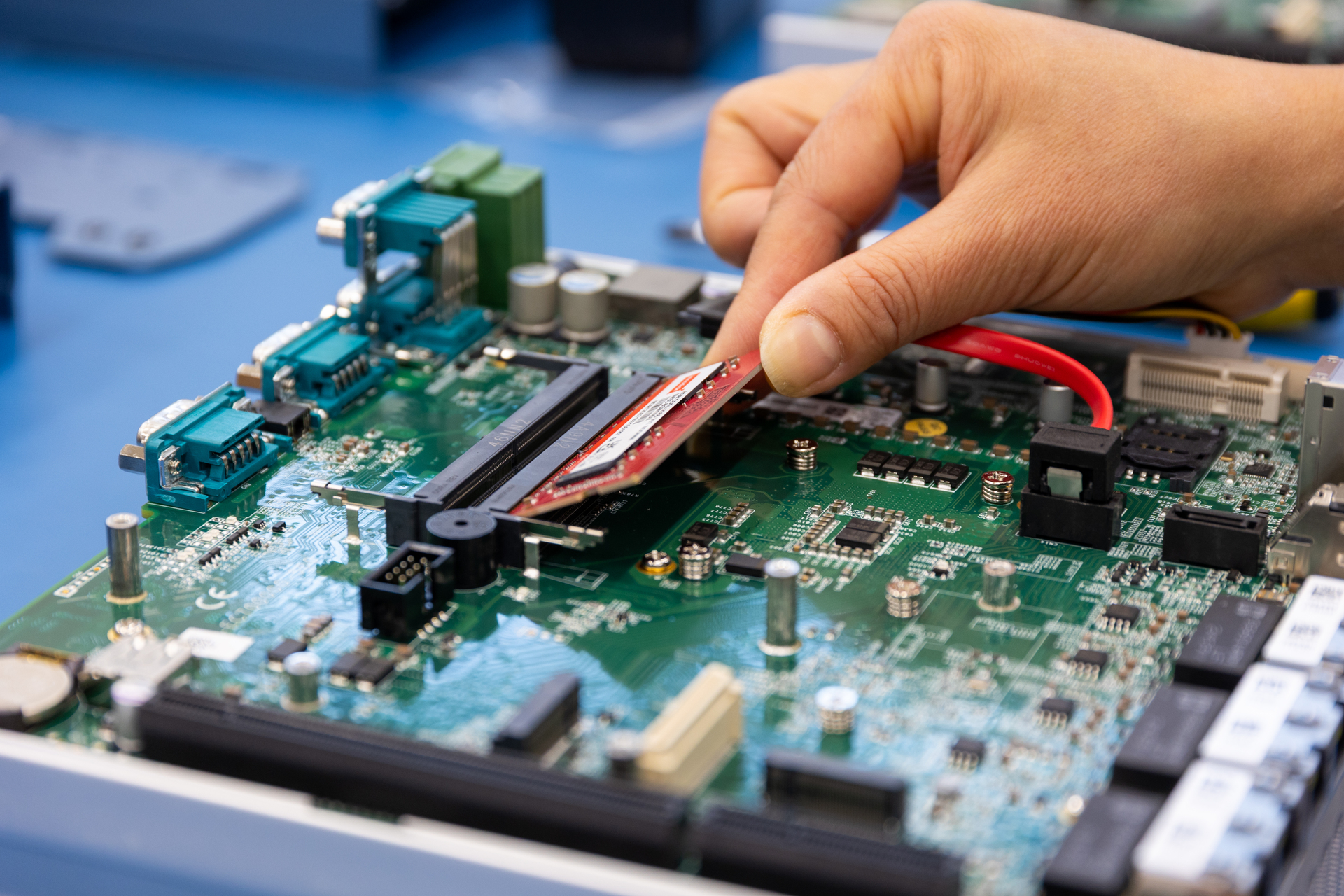
Research & Development: in-house development driven by technology
Vehicle computer systems built for mobility and vehicle-specific requirements
Within mobile platforms, factors such as certification, connectivity and vehicle integration play a critical role in determining whether a system can be deployed reliably and accepted within the operational environment.
Depending on the vehicle type and usage context, industrial in-vehicle computers can support standards such as E-Mark certification for road vehicles or EN 50155 for rail applications. These standards address the mechanical, electrical and thermal stresses that occur in mobile environments and help ensure that systems operate safely and consistently throughout their service life.
Vehicle integration is equally important. In-vehicle computers often support specialised interfaces such as CAN bus for accessing vehicle data, along with robust connectors like M12 and Fakra that are designed to withstand vibration, movement and repeated use. Together, these elements enable seamless integration with the vehicle infrastructure and contribute to long-term system stability and reliability across a wide range of mobility applications.
Rather than supplying generic vehicle computers, Intemo focuses on long-term platform stability, certification support and seamless vehicle integration.